The Digital Last Resort: Russia’s AI Disinformation Campaign

Image generated by Gemini
On November 7th 2025, Kyiv Independent wrote an article exposing viral deepfakes of Ukrainian soldiers crying about being sent to the front lines. These videos follow the same format, a Ukrainian soldier is inside a vehicle crying that he does not want to die and that the forced mobilization of 22 and 23 year old men is unfair. By the time it was discovered and exposed as fake, most of these videos went viral, with some videos reaching 2 million views.
AI videos can be used to generate viral online content. Some AI videos are harmless, with depictions of humerous scenarios but in this example, it can be used to deceive general audiences. What is the purpose behind using these AI videos? This article attempts to answer this question to show that Russia takes advantage of using disinformation to demoralize Ukrainian supporters and also boost morale with Russian domestic audiences.
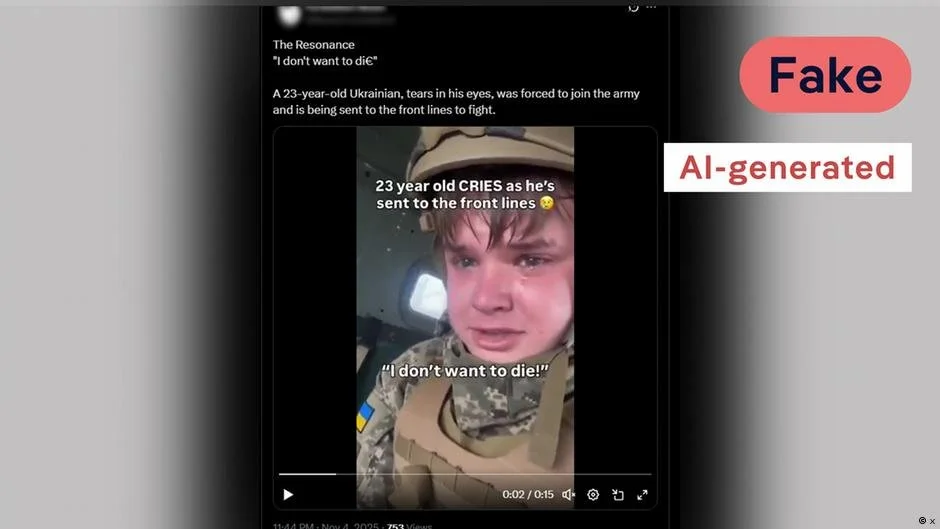
Image via DW
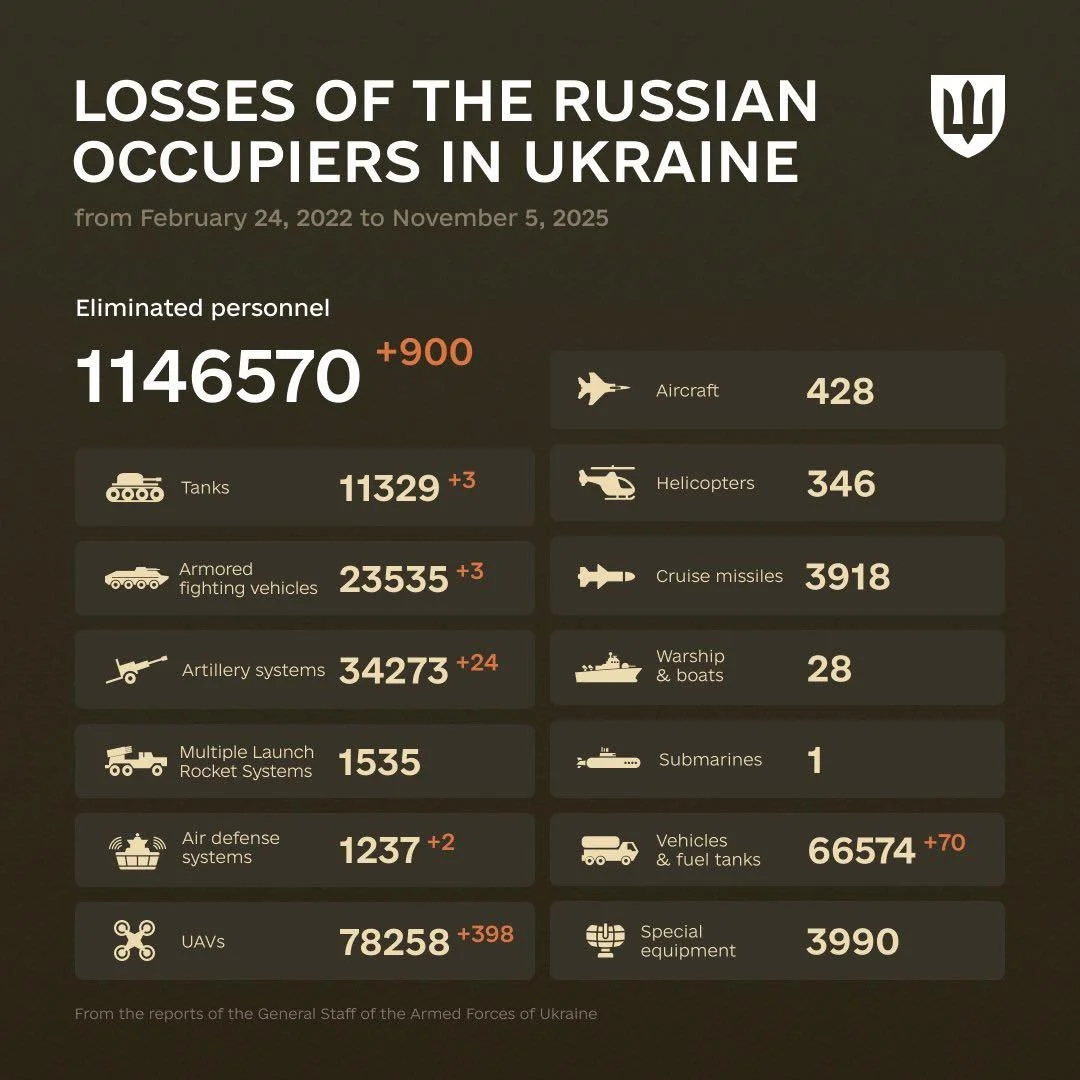
“Nearly one million Russian troops have been killed or wounded in the country’s war against Ukraine, according to a new study by CSIS. The study also said that close to 400,000 Ukrainian troops have also been killed or wounded since the war began. That would put the overall casualty figure, for Russian and Ukrainian troops combined, at almost 1.4 million, as the NYT reports.”
What started as a special military operation for Moscow has now become one of the highest casualty-producing conflicts in the Russian Federation’s history, with almost one million Russian casualties, and there seems to be no end to the growing number. The frontlines have practically remained stagnant, with the situation devolving to the point where North Korea is now openly involved in conflict. While most European nations relied on Russian oil, the Ukrainian war forced Europe to seek other alternatives in an attempt to cripple an already-sanctioned Russian economy slowly. It is projected that by 2028, Europe will break away from Russian energy independence. Whatever benefits this special military operation was supposed to bring in for Moscow, they will not compare to the cost. At almost every tactical, strategic, and operational level, Russia is losing on all fronts.
However Moscow, is slowly switching it’s focus from frontline operations to misinformation and confusion. While it cannot project its strength on the battlefield, the Kremlin is able to at least project it’s strength by creating massive disinformation campaigns aimed at confusing Western audiences. The purpose behind these operations is to erode trust and confidence in the Ukrainian military in hopes to stop Western funding and support. One of the best examples of this is when a fake news story of Zelensky sending 50M a month to UAE went viral.
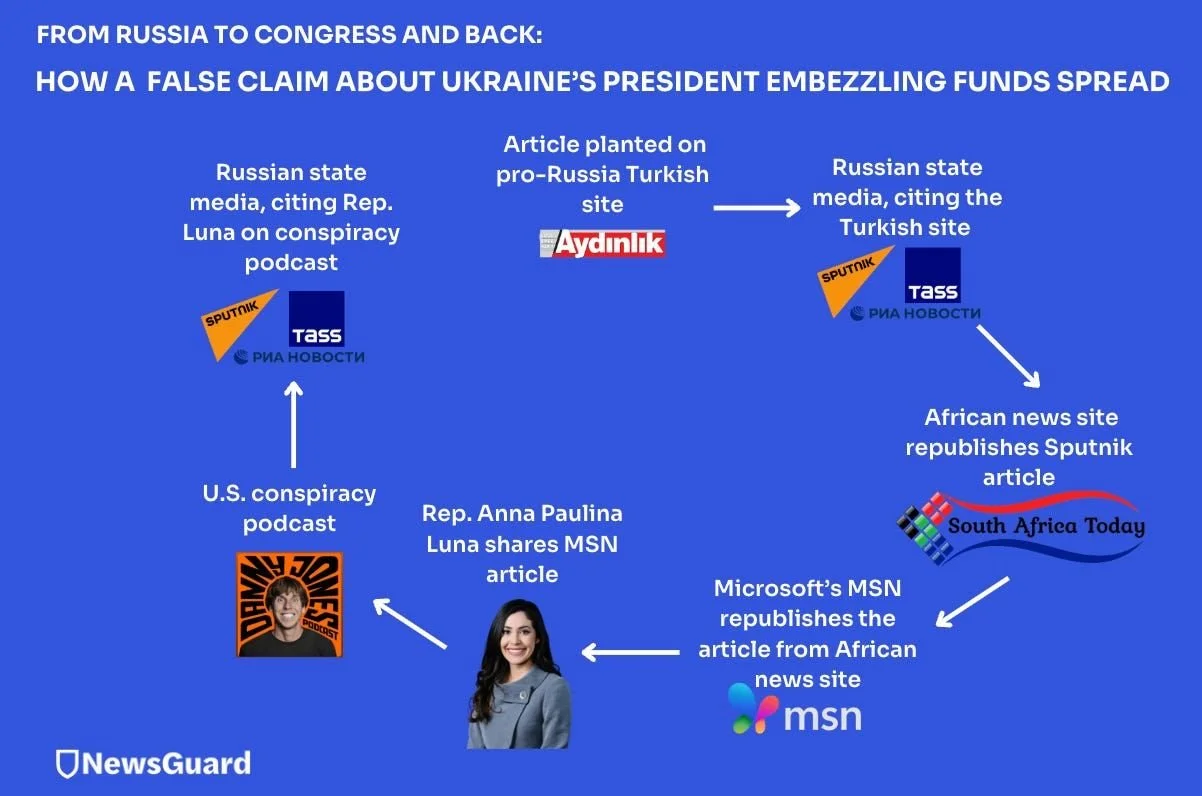
Image via NewsGuard | Shared on Linkedin
Claims began circulating that President Volodymyr Zelensky funneled $50 million per month to the United Arab Emirates. The initial post was shared on Ayndinlik, a Turkish publication. To add further validity to the claims, multiple company names and a bank number were also included. Pro-Kremlin Telegram channels began to circulate these claims, and they began to pick up traction from MSN. Russian state media posted this as true, and Bing’s own AI also picked it up. Representative Anna Paulina also shared the MSN article, which ultimately led to Russian state media quoting Rep Anna Paulina.
However, these claims were ultimately debunked. The entire article was fake. Aydinlik has a long record of forging fake information online. Ayndinlik insinuated that President Zelensky started the Ukraine war for his own financial benefit. However, there are no statements, receipts, or records of any financial transactions. International assistance is subject to multiple levels of audit and oversight. Regardless, when it comes to information warfare, the facts are hardly considered. With this campaign, Russia targeted Western audiences to dissuade continuing foreign aid to Ukraine. Representative Anna Paulina sharing this misinformation article gave Russian state media the ability to quote a US representative to present to its domestic audiences that the West is showing signs of decreased support.
Russia’s pivot towards disinformation allows a new battlefield for the Kremlin to take advantage of. Perception is critical for modern warfare, and in regard to Ukraine it is imperative that Western aid continue to sustain the war effort. While it is impossible for Russia to use military force to cut off foreign aid, it relies on misinformation and this digital last resort is a sign that Russia’s fight against Ukraine is opening the modern battlefield to further possibilities.
